HOA Landscape Maintenance
Managing a homeowners association in Florida means your landscape never truly has an off-season. While residents may only notice landscaping when something looks wrong, HOA boards are responsible for protecting one of the community’s largest investments every day of the year. Effective HOA landscape maintenance isn’t simply about cutting grass; it’s about planning ahead, preventing costly problems, and creating a community that residents are proud to call home.
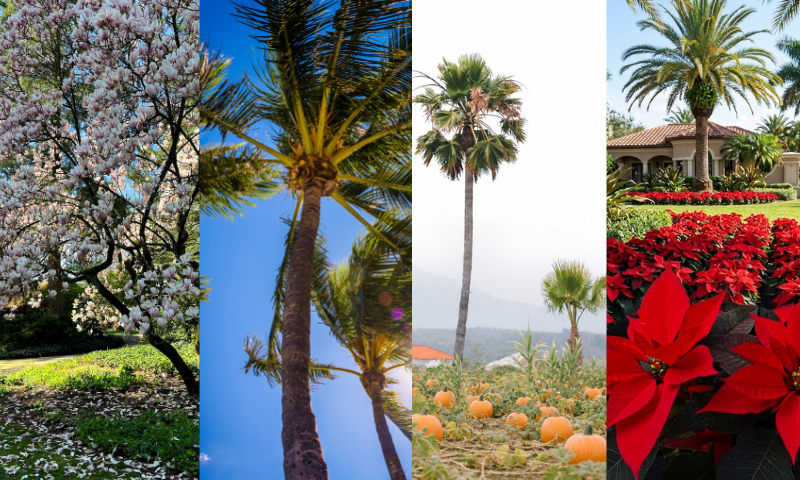
Florida’s climate creates challenges that many communities outside the state never experience. Rapid vegetation growth, heavy summer rainfall, hurricanes, irrigation demands, and year-round maintenance all require a proactive strategy. The most successful HOA landscape maintenance programs adapt throughout the year instead of reacting after problems arise. Here’s what HOA boards should expect during each season.
Spring: Build Momentum
Spring is when Florida landscapes begin to accelerate. Grass grows faster, trees produce new growth, flower beds need attention, and irrigation systems begin working harder.
Spring is the ideal time to inspect irrigation systems, replenish mulch, replace unhealthy plant material, evaluate drainage, and identify trees or shrubs that may become problems later in the year. Addressing these items early helps communities avoid emergency repairs during the busy summer months while maintaining an attractive appearance from the start of the growing season.
Every season is an opportunity to protect your community’s appearance, property values, and long-term investment.
Summer: Peak Growing Season
Summer is when HOA landscape maintenance truly proves its value. Florida’s combination of rapid plant growth, frequent thunderstorms, intense heat, and hurricane season makes this the busiest time of year for landscaping professionals. Many HOA communities transition to weekly maintenance visits because vegetation simply grows too quickly for biweekly service.
This is also when communication becomes just as important as maintenance. Communities benefit from landscaping partners who identify irrigation issues before turf begins to decline, recommend preventive tree and palm trimming before storms arrive, monitor drainage after heavy rainfall, and communicate potential concerns before residents begin calling the management office.
Fall: Plan While Growth Slows
Fall offers HOA boards an opportunity to prepare instead of react. Although Florida remains warm, cooler temperatures and slower growth make this one of the best seasons for long-term planning. Choosing the right plant material is just as important as proper maintenance. Florida’s climate is unique, and selecting plants that are well-adapted to local conditions can improve long-term landscape performance, reduce irrigation demands, and lower replacement costs. The University of Florida’s Florida-Friendly Landscaping Program® provides guidance on plant selection and sustainable landscaping practices designed specifically for Florida communities.
For many communities, fall also coincides with budget planning. Reviewing the year’s HOA landscape maintenance, identifying recurring issues, and scheduling enhancement projects before the new fiscal year helps boards make informed decisions rather than emergency expenditures.
Winter: Improve Your Community
Winter may be Florida’s slowest-growing season, but it’s often the smartest time to improve a community. As maintenance schedules frequently shift from weekly to biweekly, contractors have greater availability to complete larger projects before spring arrives.
Entrance renovations, landscape enhancements, irrigation upgrades, pressure washing, tree replacements, and other capital improvements are often easier to schedule during the winter and early spring. Completing these projects before peak growing season minimizes disruption to residents while ensuring the community is ready when spring returns.
Stay Ahead
Today’s HOA landscape maintenance extends well beyond landscape care. Technology has transformed how communities interact with their landscaping contractors. Many professional companies now provide digital client portals where community managers can review completed visits, submit maintenance requests, approve enhancement proposals, and access service history from one location.
This level of transparency reduces unnecessary emails and phone calls while creating greater accountability for both the contractor and the community. Likewise, working with a contractor that offers multiple exterior maintenance services such as irrigation repairs, tree care, landscape enhancements, pressure washing, and storm cleanup can reduce the burden of coordinating multiple vendors, invoices, and schedules.